The automatic licence condition in NSW, explained
Sitting your driving test in an automatic changes what you are licensed to drive afterwards. Here is what that condition actually means, and what it takes to remove it.

Most learners in New South Wales now learn and test in an automatic car. It is the simpler place to start: no clutch, no gear selection, and more of the lesson spent on the things the test is actually assessing — observation, judgement, speed management and road position.
What often is not explained before test day is that the vehicle you pass in determines a condition recorded on the licence you receive.
What the condition is
If you pass your practical driving test in an automatic vehicle, your NSW licence carries a condition restricting you to driving automatic vehicles. It is printed on the licence itself, and it stays there until it is removed.
It is a restriction on the driver, not a note about the car you happened to use. Driving a manual while that condition applies means driving outside the terms of your licence, with the consequences that follow for enforcement and insurance.
Check the current rule before you rely on it. Licence conditions, codes and the process for changing them are set by Transport for NSW and are updated from time to time. Treat this page as an explanation of how the condition works, and the official source as the authority on today's requirements.
What it does and does not restrict
- It restricts transmission type, not licence class. Your progression through the graduated licensing stages is unaffected.
- It applies to every vehicle you drive on that licence, including a hire car or a friend's car.
- It does not expire. Time and driving experience alone will not lift it.
How it is lifted
The condition is removed by passing a practical driving test in a manual vehicle. There is no paperwork-only route and no waiting period that clears it automatically — the assessment is the mechanism.
In practice that means getting comfortable with clutch control, hill starts and gear selection to test standard, in a manual car you can sit the assessment in.
Does it matter for you?
For most drivers, honestly, no. Automatic and hybrid vehicles dominate new car sales in Australia, and a great many licence holders never drive a manual again. The condition only becomes a problem when something specific requires one.
Worth thinking about if you expect to
- drive a work vehicle, particularly in trades, agriculture or plant operation
- hire vehicles overseas, where manual is often the default and the cheaper option
- progress to a heavy vehicle licence class later
- drive a family member's manual car
If none of those apply, testing in an automatic and accepting the condition is a perfectly sensible decision — and it usually means passing sooner, because the lessons focus on road skills rather than vehicle operation.
Questions learners ask
Will an automatic-only condition limit how I progress through P1 and P2?
No. The condition restricts the type of vehicle you may drive, not your licence class or your progression through the graduated licensing stages.
Can I remove the condition without sitting another test?
No. It is removed by passing a practical driving test in a manual vehicle. There is no waiting period or administrative process that clears it on its own.
Does the condition apply to a car I hire or borrow?
Yes. It applies to you as the licence holder, so it covers every vehicle you drive on that licence, including hire cars and someone else's car.
Is it harder to pass the driving test in an automatic?
The assessment criteria are the same either way. An automatic removes clutch and gear selection from the task, which lets more of your attention go to observation, road position and speed management — the things actually being assessed.
Should I just learn in a manual to avoid the condition?
Only if you have a concrete reason to need one. Learning in a manual adds vehicle-operation skills to the workload, which for most learners means more lessons before test standard. If you are unlikely to drive a manual, the condition costs you nothing.
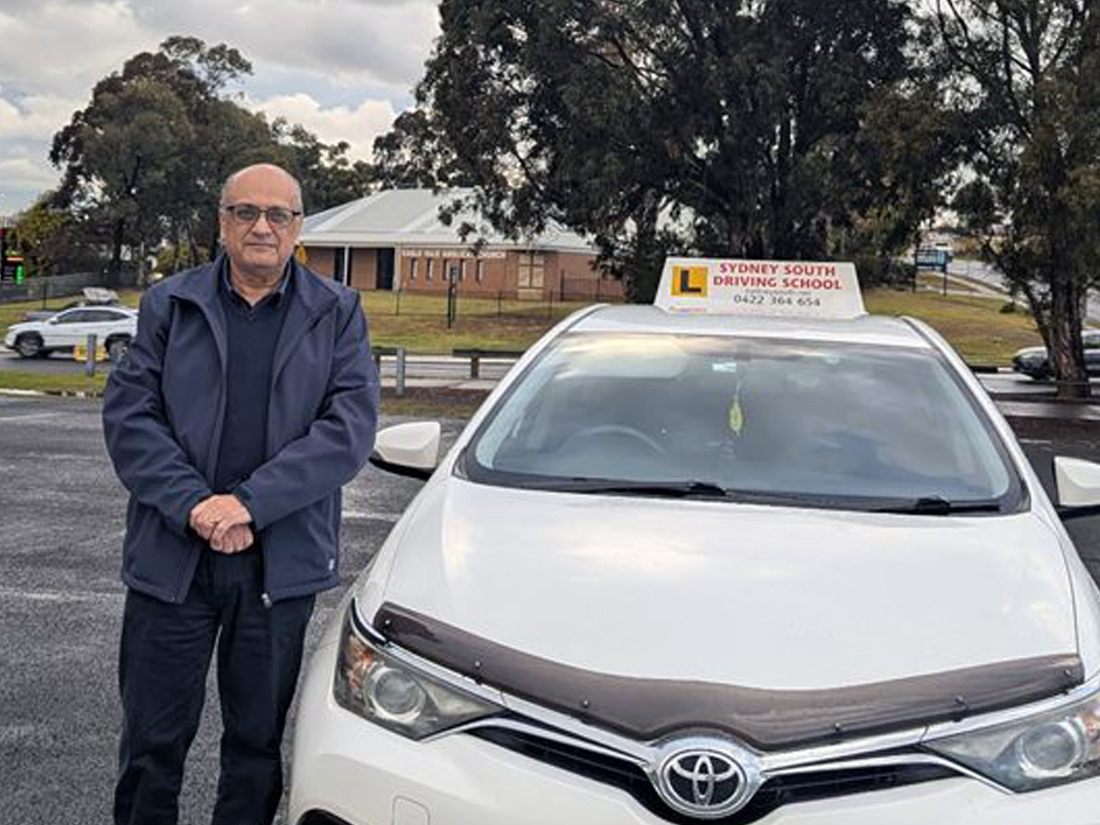
Senior driving instructor at Sydney South Driving School since 2013, with a Bachelor of Commerce and a professional background in accounting and five-star hospitality. More about Ashraf