Learning to drive in an automatic
Taking the clutch out of the lesson does not make the lesson shorter. It moves the work somewhere more useful.
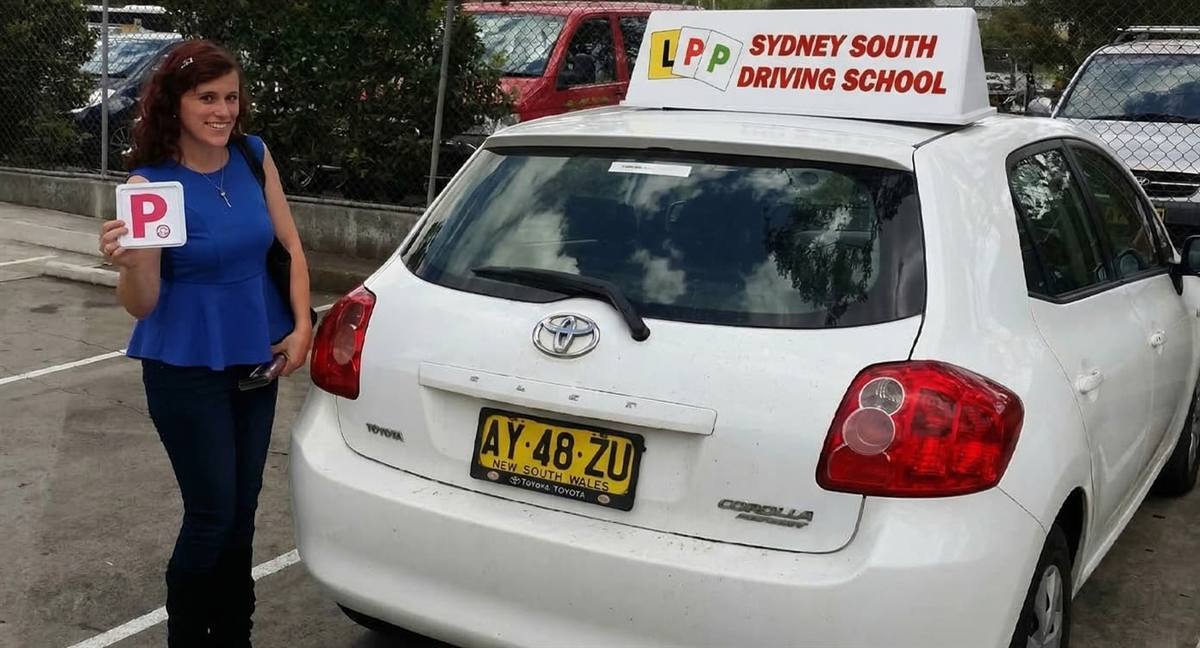
Most learners around Liverpool and Campbelltown now start in an automatic. Taking the clutch out of the lesson does not make the lesson shorter. It moves the work somewhere more useful — but it also introduces three habits worth naming in the first hour rather than the tenth.
One foot, both pedals
Left-foot braking in an automatic is fast, and that is exactly the problem. It removes the natural gap between releasing the accelerator and applying the brake, and under sudden pressure it produces both pedals at once. Learn braking on the same foot that accelerates, and the habit holds when something startles you.
Creep is not control
A torque-converter automatic moves at idle. In a car park, reversing, or in stop-start traffic you are barely on the accelerator at all — you are metering creep with the brake. Learners who steer on the accelerator instead arrive everywhere slightly too fast, which is how low-speed manoeuvres come apart. Cover the brake, let the car do the moving, and steer.
Hills, without a clutch
An automatic will generally hold a gentle incline on its own once you lift off, and many newer cars add a hold function that keeps the brake applied for a moment. Neither is universal, and neither should be assumed on a steep start. Stay on the footbrake until you are genuinely ready to go, and use the parking brake for anything steep or prolonged. Rolling back a car length into the vehicle behind is the same mistake in an automatic as it is in a manual.
Where the spare attention goes
This is the real argument for learning in an automatic. Gear changes are a fixed tax on attention, and a learner has very little attention to spare. Remove them and the lesson can go into what the driving test actually assesses: observation and head checks, gap selection, speed for the conditions, road position, and the scanning habit behind defensive driving — noticing the situation forming two or three seconds before it becomes a hazard.
That scanning is the same skill the Hazard Perception Test measures, which is booked separately through Service NSW.
What the lessons do not change
The assessment criteria are identical whatever you drive. And the vehicle you present on test day still decides the condition on your licence — worth reading alongside removing the automatic condition and which cars count as automatic before you book anything.
Questions learners ask
Is it easier to learn to drive in an automatic?
There is less to operate, so more of each lesson goes to observation, road position and speed management. In practice that usually means reaching test standard in fewer lessons. It does not mean the driving test itself is easier, because the assessment criteria are the same.
Can I brake with my left foot in an automatic?
Better not to. Left-foot braking removes the natural gap between the pedals and, under sudden pressure, tends to produce both at once. Braking with the same foot that accelerates keeps the habit reliable when you are startled.
How do I stop rolling back on a hill without a clutch?
Stay on the footbrake until you are ready to move, and use the parking brake on anything steep or prolonged. Many automatics hold a gentle incline on their own and some add a hold function, but neither should be assumed on a steep start.
Do automatic lessons prepare me for the Hazard Perception Test?
They build the scanning habit it measures, which is easier to develop when no attention is going to a clutch. The Hazard Perception Test itself is a separate computer-based test booked through Service NSW, so check the official page for when you need to sit it.

Senior driving instructor at Sydney South Driving School since 2013, with a Bachelor of Commerce and a professional background in accounting and five-star hospitality. More about Ashraf